As we enter the new year, there is a growing sense of optimism among
investors and consumers that we may be nearing the conclusion of a
prolonged period of volatility for interest rates and financial markets.
While it would be premature to declare 2025 free of economic
turbulence, the Federal Reserve appears poised to adopt a more
measured approach to interest rate adjustments. This shift could bring a
welcome sense of stability to broader markets. But the question on many
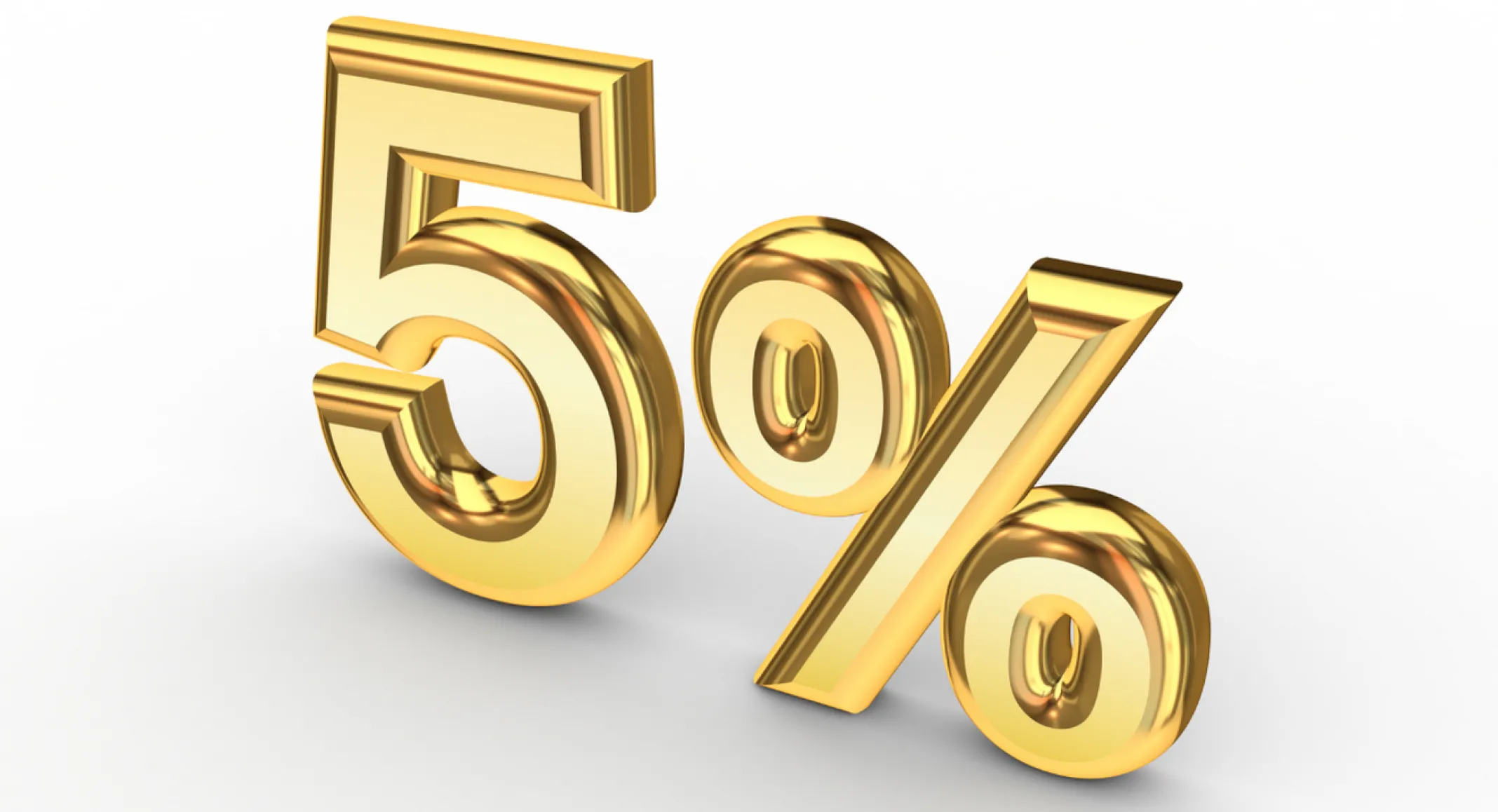
homebuyers' minds is: will interest rates hit 5% again, a level that has
historically defined the balance between affordability and market
activity? While the prospect seems appealing, recent shifts in the Fed's
strategy suggest a more nuanced outcome, shaped by the economic
fundamentals driving today's markets.
The Federal Reserve’s Approach
The December 2024 Federal Reserve meeting offered critical insights
into the central bank’s outlook for the coming year. Chair Jerome Powell
announced a planned reduction of rates with only two cuts anticipated in
2025—a less aggressive stance compared to what many had initially
expected. This signals a deliberate and measured approach aimed at
maintaining economic stability amid complex and competing pressures.
The Fed’s cautious tone reflects a balancing act between controlling
inflation and supporting growth. Despite cooling price increases, inflation
remains above the Fed’s 2% target. The labor market, meanwhile,
continues to display resilience with strong employment figures and
wage growth. Together, these factors reduce the urgency for rapid rate
reductions while keeping the economy on a steady course.
Economic Fundamentals Shaping the Rate Environment
Understanding the Fed’s decisions requires a closer look at the
underlying economic fundamentals:
Inflation Dynamics: Inflation has moderated significantly since its
peak in 2022, but core inflation metrics remain stubbornly elevated.
Sticky components such as housing costs and services inflation
continue to drive the Fed’s cautious stance, as abrupt rate cuts could
risk reigniting price pressures.
Labor Market Strength: The U.S. labor market remains a key pillar of
economic stability. Unemployment rates are historically low, and
wage growth, though slower than earlier in the recovery, continues to
support consumer spending. These factors suggest that the economy
is less reliant on aggressive monetary easing.
Global Economic Conditions: International economic uncertainty—
from geopolitical tensions to divergent central bank policies—adds
complexity to the Fed’s decision-making. Maintaining a measured
pace allows the U.S. economy to remain adaptive to external shocks.
Financial Market Adjustments: Markets have already priced in
expectations of lower rates, leading to rallies in equities and bonds.
This indicates optimism about economic conditions but also
highlights the importance of the Fed’s credibility in managing
expectations.
What Does This Mean for Interest Rates?
With only two rate cuts expected, the likelihood of interest rates hitting
5% in 2025 appears slim. Current projections suggest rates could settle in
the mid-to-high 5% range by year’s end. While this may fall short of initial
hopes, it still represents a meaningful decline from current levels, offering
relief to borrowers and signaling ongoing progress in the Fed’s monetary
strategy.
Implications for Broader Markets
Rather than focusing solely on home affordability, the implications of
these rate adjustments extend across sectors:
Corporate Borrowing and Investment: Lower rates could ease
borrowing costs for businesses, encouraging investment in capital
projects and innovation. This is particularly relevant for sectors like
technology and infrastructure.
Consumer Spending and Credit: While not at historic lows, mid-to-
high 5% rates could provide a boost to consumer confidence and
spending. Reduced credit costs may also alleviate financial pressures
for households managing debt.
Asset Valuations: Equities and real estate markets are sensitive to rate
changes. A gradual decline in rates could stabilize valuations,
reducing volatility while fostering sustainable growth across asset
classes.
The Bigger Picture
The Federal Reserve’s recent announcements underscore its
commitment to long-term economic stability. By signaling a slower pace
of rate cuts, the central bank is reinforcing its intention to navigate
inflationary risks and maintain credibility in the eyes of global markets.
For homebuyers, the outlook is increasingly favorable. Interest rates,
though still higher than the historic lows of 2020-2021, have come down
significantly from their peaks of over 8% just 1.5 years ago. While rates
may not reach 5% in 2025, they are steadily declining, making borrowing
more affordable. However, home prices are unlikely to decrease. In fact,
they are expected to continue a slow, steady rise due to limited housing
inventory and sustained demand.
If you're considering buying a home, waiting for rates to hit an arbitrary
target may not be the best strategy. The right time to buy is when it
aligns with your financial and personal circumstances. Delaying a
purchase in hopes of lower rates could mean paying a higher price for
the same home. For example, a $400,000 home today might cost around
$412,000 a year from now if the housing market appreciates by even 3%,
which is on the neutral to low side of projections. This potential increase
in price could outweigh any savings from a slight drop in interest rates.
Moreover, purchasing now and refinancing later when rates improve can
often be a more cost-effective strategy in the long run.
The overall trajectory of rates and home prices suggests a positive
environment for buyers who act thoughtfully and strategically. Staying
informed and making decisions based on personal needs, rather than
market timing, remains the key to navigating this dynamic landscape.
Written By
Sam Wurm, Executive Vice President of Nebraska Realty and Embarc Realty