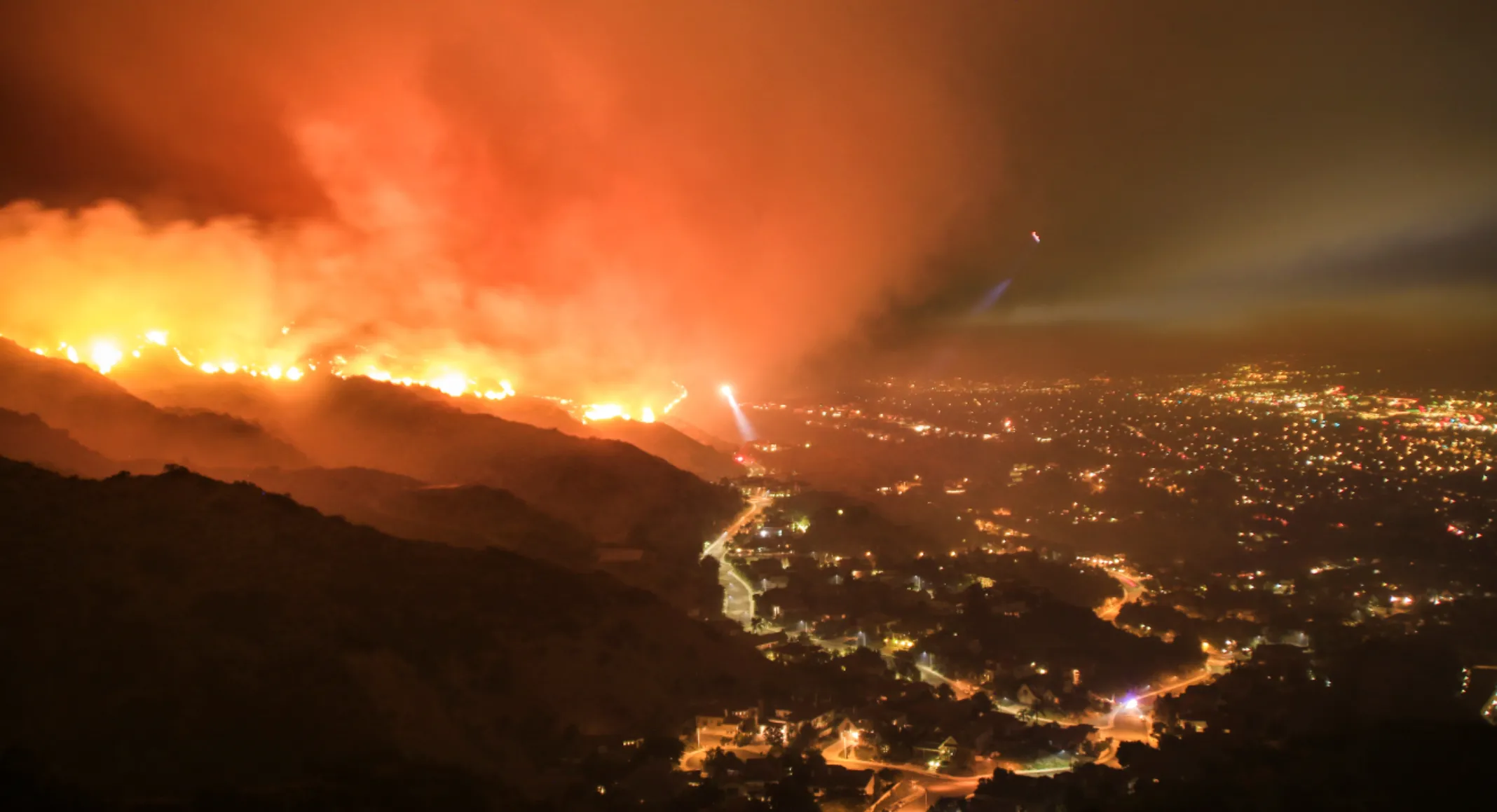
It has been on top of every news outlet for the last several weeks. If you live
in America, you have undoubtedly seen countless stories highlighting the
devastating fires in California, and the horrible ripple effects that they are
leaving throughout the state. While the immediate focus remains on the
destruction and rebuilding efforts, there is another conversation that
needs to be had—the ripple effects that people aren't talking about yet:
How the California wildfires may affect housing prices around the entire
nation.
The Ripple Effects That People Aren't Talking About Yet
The recent Los Angeles wildfires have devastated tens of thousands of
acres, destroying homes, displacing families, and altering lives in profound
ways. As rebuilding efforts begin, the far-reaching impacts of these fires
extend beyond immediate property loss—they could significantly
influence future housing costs, particularly in terms of construction
expenses and the evolving insurance landscape.
Rising Construction Costs and Supply Chain Disruptions
The destruction caused by wildfires often leads to an immediate surge in
demand for building materials, labor, and resources needed to rebuild
homes and infrastructure. Given the existing supply chain challenges
already impacting the construction industry—such as high material costs
and labor shortages—the wildfires add another layer of strain. The fires
have destroyed countless homes, which means increased demand for
materials like lumber, steel, and concrete, further driving up prices
nationwide.
The pandemic-induced supply chain disruptions of the past few years
have only recently begun to stabilize, but this newfound demand could
exacerbate shortages and delays, making it even more expensive and
time-consuming to build new homes. With the cost of raw materials
rising, builders may find it challenging to complete projects within budget,
leading to higher home prices for buyers and increased financial pressure
on developers.
Insurance Market Turbulence
Insurance plays a critical role in helping homeowners recover from natural
disasters. However, the widespread destruction in California is expected to
result in billions of dollars in insurance claims, putting immense pressure
on insurers. Large-scale natural disasters challenge the traditional
insurance model, which relies on pooled risk to remain financially viable.
When catastrophic events occur more frequently and with greater severity
than anticipated, insurers are forced to reevaluate their coverage
strategies, often resulting in higher premiums or, in some cases, pulling
out of high-risk markets altogether. In California, this trend has already
begun, with several major insurers scaling back their coverage or exiting
the market entirely due to the increasing risk exposure and unpredictable
costs associated with wildfires.
As a result, homeowners in wildfire-prone areas face limited options for
securing insurance coverage. The state’s FAIR Plan, a government-backed
insurance program, has become a last resort for many who are unable to
obtain private coverage. However, this raises concerns about the
sustainability of such programs and the financial burden they place on the
state.
For homeowners in other parts of the country, the effects may be felt
through rising insurance premiums. Insurers often distribute risk across
different geographic areas, meaning that losses from California wildfires
could lead to increased costs for policyholders nationwide. This
phenomenon underscores the interconnected nature of the housing
market and the broader economic implications of natural disasters.
Implications for Homeownership and Affordability
As insurance premiums rise and construction costs continue to climb, the
affordability of homeownership may become an even greater challenge.
Prospective buyers in high-risk areas might find it difficult to secure loans
or insurance, leading some to reconsider homeownership altogether and
opt for renting instead. This could further strain the rental market, driving
up rental prices and exacerbating housing affordability issues, particularly
in already expensive regions like Southern California.
Additionally, some homeowners may choose to self-insure or go “naked,”
meaning they forgo traditional insurance coverage entirely. While this
may be a viable option for wealthier individuals with diversified assets, it
poses a significant financial risk for those without sufficient resources to
cover potential losses.
Preparing for a Changing Market
The long-term effects of California's wildfires on housing costs are complex
and multifaceted. Policymakers, industry leaders, and homeowners must
work together to address these challenges through proactive measures
such as improved wildfire mitigation strategies, better building codes, and
investment in resilient infrastructure.
For prospective buyers and current homeowners, staying informed about
the evolving insurance landscape and construction cost trends is crucial.
As the market adapts to the realities of climate change and increased
natural disaster risks, making well-informed decisions about housing
investments will be more important than ever.
In conclusion, while the immediate focus remains on recovery and
rebuilding, the broader implications of California's wildfires will likely shape
housing markets for years to come. Rising construction costs, shifting
insurance dynamics, and affordability challenges all point to a future
where resilience and preparedness are key to navigating an increasingly
uncertain landscape.
Written By
Sam Wurm, Executive Vice President of Nebraska Realty and Embarc Realty